


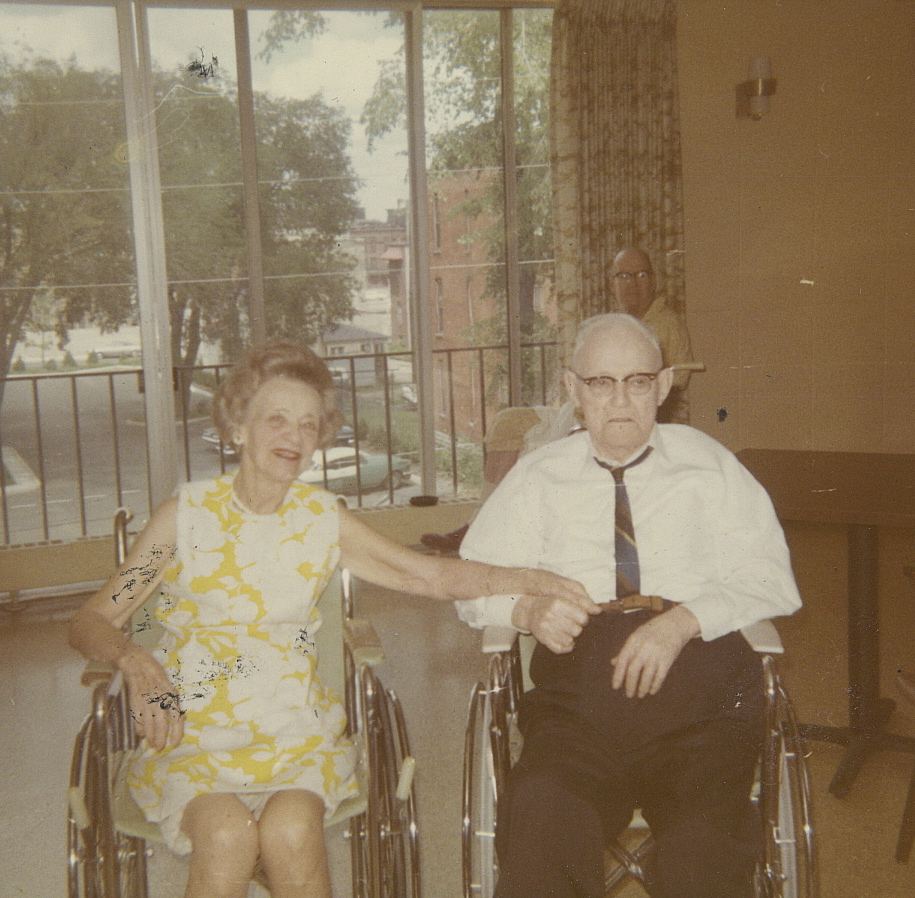
Community strength and balance classes are helping older adults stay steady on their feet, maintain independence and feel more confident moving around their homes and neighbourhoods. The sessions focus on practical movements: rising from a chair without using the arms, controlled stepping in different directions, and exercises that strengthen the legs and ankles. Instructors progress activities gradually, so participants work at a level that challenges them safely, often using chairs or resistance bands for support and resistance. Falls are a major concern for older people, and professionals agree that programmes combining strength and balance training are among the most useful steps for reducing that risk. Classes are usually inexpensive or free through local leisure services, and many venues are step-free with parking nearby, because organisers know that easy access decides whether people attend regularly or give up. Staying active in later life supports both physical health and independence.
What the Evidence Shows
The social side of the classes matters almost as much as the exercises. Regular attendees encourage one another, notice when someone is missing and often stay for a cup of tea afterwards, turning exercise into a fixture of the week rather than a chore. Participants are encouraged to practise short movements at home between sessions, holding a sturdy surface for support. Anyone who has had a fall, feels unsteady or has a condition affecting their balance should mention it to the instructor and, where needed, their doctor. Confidence tends to build gradually, session by session, and many attendees say everyday activities soon feel noticeably more secure. Family members often notice the difference first, commenting that a relative seems surer when climbing stairs, carrying shopping or getting in and out of the car than they did a few months earlier. Progress like that is exactly what keeps participants coming back each week. Reporting and analysis from sources such as World Health Organization track the same developments, and specialists following strength and balance classes say the direction is now consistent across independent lines of evidence.
The Wider Context
The wider context is a health system trying to move from treating illness late to preventing it early, against budgets that reward the opposite. Evidence around strength and balance classes is being weighed by guideline committees that ask two questions in order: does it work, and can ordinary services actually deliver it at scale. Many good ideas pass the first test and stall on the second.
What Happens Next
What happens next for strength and balance classes depends on the slow machinery of guidelines, funding and training catching up with the evidence. Patients asking about it today should expect honest answers that include uncertainty, and clinicians say a service that explains what is not yet known earns more trust than one that oversells. The research pipeline, at least, is moving in the right direction. You can follow related developments in our coverage of health.
There is a practical lesson in all of this for readers deciding what to do today. Start with the verified facts, be wary of anyone promising certainty, and prefer reversible steps while the evidence is still developing. Circumstances differ by country, income and personal situation, so general guidance should always be weighed against your own context before you act on it in any significant or lasting way.
