


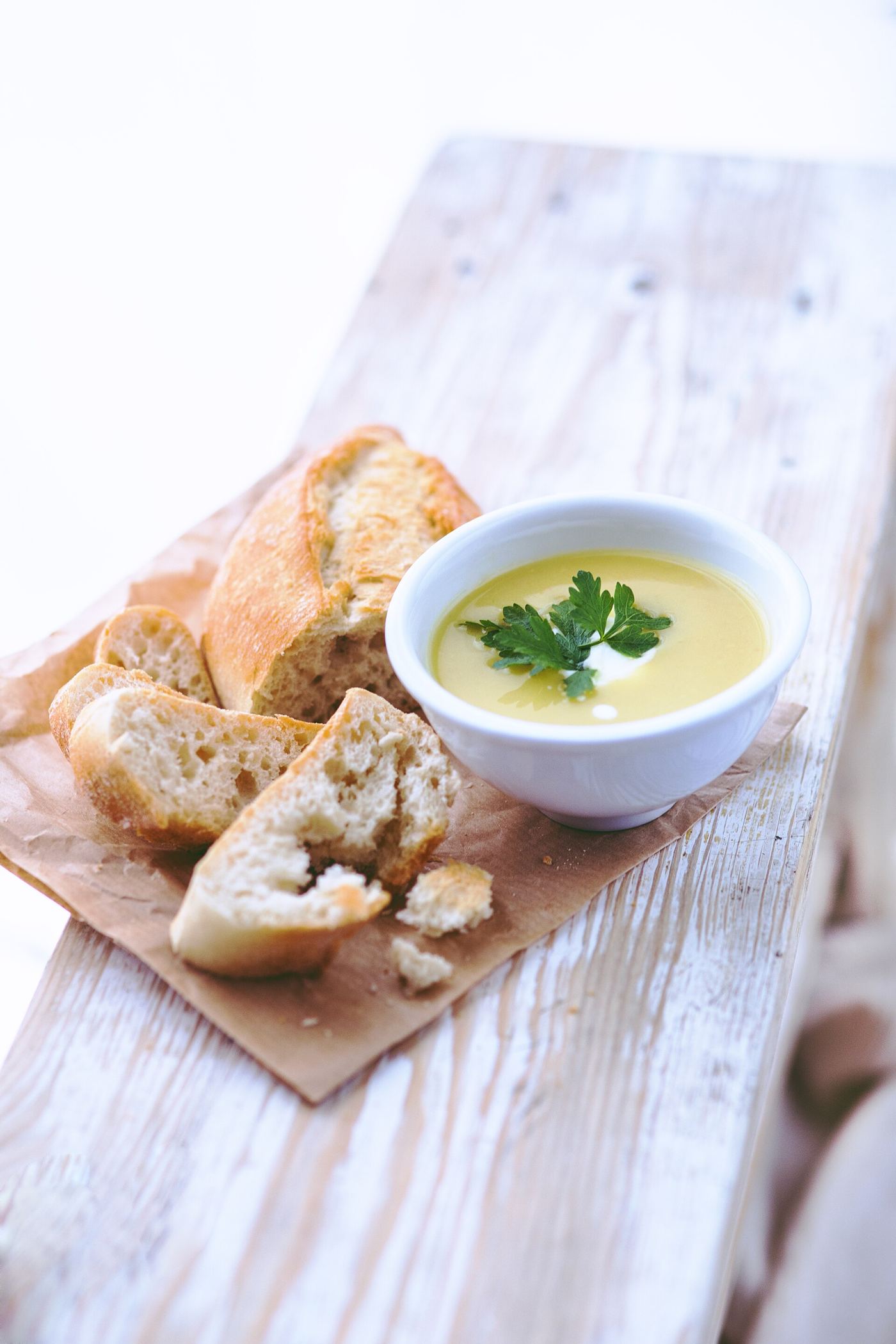
Community cooking classes designed for people managing type 2 diabetes are showing promising results, with participants reporting better blood sugar control and greater confidence in the kitchen after just a few sessions. The classes focus on practical skills rather than lectures: reading labels, building balanced plates, adapting favourite family recipes and cooking flavourful meals on a tight budget. Dietitians and trained volunteers cook alongside participants, demonstrating how fibre-rich vegetables, beans and whole grains can slow glucose rises without making food feel like a punishment. Because the sessions are social, attendees also swap tips about shopping, packed lunches and eating out, the everyday situations where good intentions most often come undone. Organisers deliberately keep the atmosphere relaxed and non-judgemental, recognising that many participants have felt blamed about food in the past. Recipes are chosen with local tastes and cultural traditions in mind, and classes celebrate adaptation rather than restriction, showing how familiar dishes can be lightened without losing their place at family celebrations. Take-home ingredient bags help people repeat the week’s recipe immediately, turning a demonstration into a habit while enthusiasm is fresh and the techniques are still clear in the mind after the session ends at the community kitchen.
What the Evidence Shows
Health services running the programmes say cooking support fills a gap between diagnosis, which can feel overwhelming, and the daily reality of feeding oneself and a family. Some participants have reduced their need for medication under medical supervision, although organisers stress that changes vary widely and medicines should never be altered without a clinician’s advice. Classes are usually free for referred patients, with ingredients provided, and many now offer evening sessions in community centres and school kitchens. GPs can refer newly diagnosed patients, and some programmes accept self-referrals from people at high risk who want to act early. Evaluation of the programmes is following participants for a year to see whether confidence and blood sugar improvements last once classes finish. Alumni cooking clubs and messaging groups are being set up to maintain peer support, which organisers believe is the active ingredient behind much of the success. If the results hold, commissioners plan to expand places and train more community cooks, arguing that teaching people to cook well is among the most durable forms of preventive healthcare a neighbourhood can offer. Reporting and analysis from sources such as World Health Organization track the same developments, and specialists following diabetes cooking classes say the direction is now consistent across independent lines of evidence.
The Wider Context
The wider context is a health system trying to move from treating illness late to preventing it early, against budgets that reward the opposite. Evidence around diabetes cooking classes is being weighed by guideline committees that ask two questions in order: does it work, and can ordinary services actually deliver it at scale. Many good ideas pass the first test and stall on the second.
What Happens Next
What happens next for diabetes cooking classes depends on the slow machinery of guidelines, funding and training catching up with the evidence. Patients asking about it today should expect honest answers that include uncertainty, and clinicians say a service that explains what is not yet known earns more trust than one that oversells. The research pipeline, at least, is moving in the right direction. You can follow related developments in our coverage of health.
There is a practical lesson in all of this for readers deciding what to do today. Start with the verified facts, be wary of anyone promising certainty, and prefer reversible steps while the evidence is still developing. Circumstances differ by country, income and personal situation, so general guidance should always be weighed against your own context before you act on it in any significant or lasting way.
