


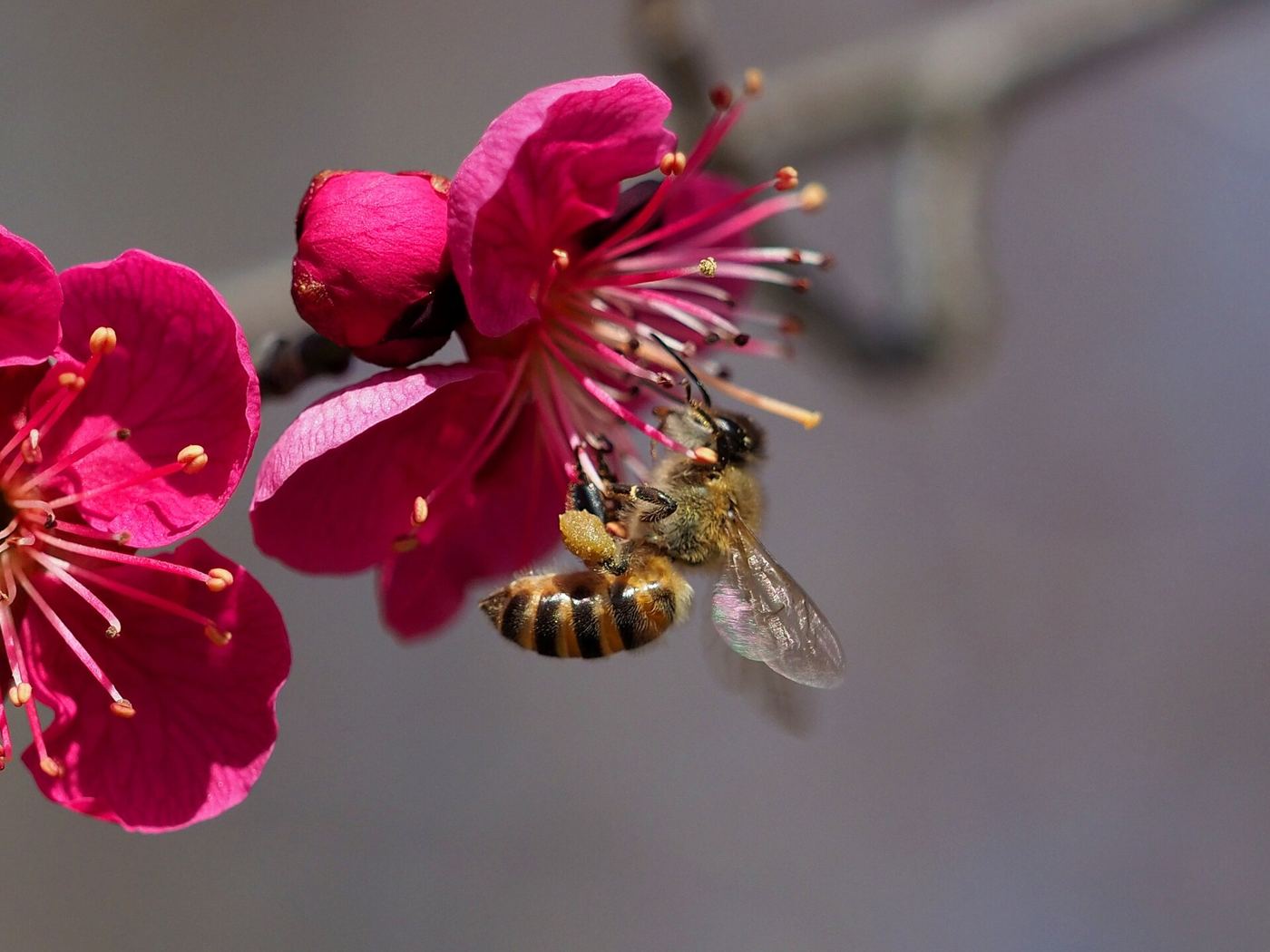
A honeybee visiting a flower is doing far more than collecting food. As it moves from bloom to bloom, it reads a complex chemical message written in scent, and scientists are only now beginning to understand how detailed that message is. Each flower releases a blend of scent compounds that changes with the time of day, the weather and how much nectar the flower still holds. Bees learn to associate particular scents with the richest rewards, and they share what they learn with nestmates through dances that point toward the best patches. Researchers using tiny scent sensors and high-speed cameras have found that bees can distinguish between flowers of the same species that differ only slightly in scent, choosing the ones with more nectar and skipping those that have already been emptied. That skill matters for the plants too, because a bee that visits the most rewarding flowers is also the one most likely to carry pollen to the right place.
What the Evidence Shows
Understanding how bees read flowers has practical value for farmers and conservationists. Crops such as apples, almonds and berries depend heavily on bee pollination, and growers are learning that planting flower strips with a variety of scents can keep bees working in their orchards for longer. Scientists are also studying how pesticides and air pollution interfere with the signals, since some chemicals dull a bee’s sense of smell or mask the flower’s scent entirely. In laboratory tests, bees exposed to certain pollutants took longer to find rewarding flowers and made more mistakes, a finding that may help explain falling pollinator numbers in some regions. Conservation groups are using the research to design better habitats, mixing flower species that bloom at different times so bees have a steady supply of scented targets through the season. For the bees, the work confirms what beekeepers have long suspected: scent is the map, and the flowers are constantly redrawing it. Reporting and analysis from sources such as Nature track the same developments, and specialists following the scent-reading honeybees say the direction is now consistent across independent lines of evidence.
The Wider Context
The wider context is a research landscape in which replication and open data now decide reputations. Findings connected to the scent-reading honeybees are being checked by independent groups with shared datasets, and the teams involved publish their methods in full so rivals can test every step. That discipline is slower than a headline cycle, but it is why results in this area increasingly survive first contact with scrutiny.
What Happens Next
What happens next in the story of the scent-reading honeybees will be decided by follow-up work already under way: larger samples, longer observation and instruments that have not yet come online. The researchers involved are unusually united on one point, that the current results justify the next investment of time and money. Readers will not have to wait long for the first tests of that claim. You can follow related developments in our coverage of science.
None of this will be settled by a single announcement, study or product launch. The pattern to watch is accumulation: independent confirmations, honest reporting of failures and steady improvement in the underlying numbers. Readers who follow those signals, rather than the loudest claim of the week, will understand this subject better than most of the commentary surrounding it suggests is possible.
