



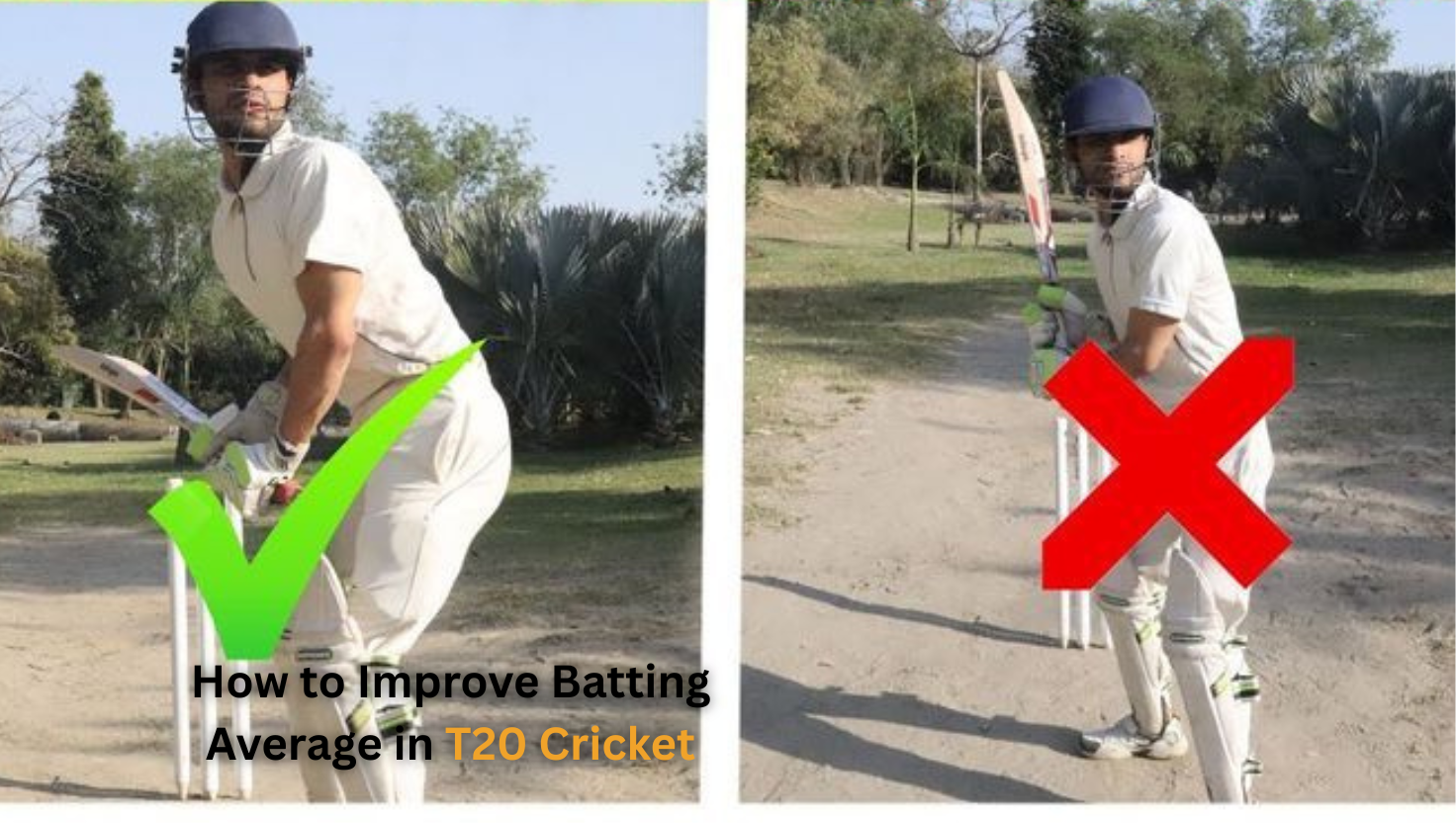
Cricket has evolved into a fast-paced spectacle where every ball can change the course of the match. Among all formats, T20 cricket demands the sharpest skills, quicker reflexes, and smarter decision-making. Unlike Test or ODI cricket, the margin for error is slim, and a player’s batting average in this format often becomes the measure of consistency and reliability.
At Month Journal, we understand the challenges faced by modern cricketers who wish to excel in T20 leagues and international matches. Improving a batting average is not simply about hitting boundaries; it is about building strategies, enhancing techniques, and maintaining focus under pressure. This guide takes you through everything you need to know about improving batting averages in T20 cricket and transforming yourself into a more effective player.
Mastering the Basics of T20 Batting
Before advanced strategies come into play, it is essential to strengthen the foundation. A solid batting stance, a steady head position, and the ability to judge line and length early are the backbone of a successful innings. Many players try to improvise too quickly in T20 cricket, forgetting that the basics are what allow innovation to shine.
Building a Strong Stance
Your stance should allow balance and flexibility. Keep your weight slightly forward, bat lifted in a relaxed manner, and eyes level. This makes it easier to react to pace or spin.
Judging Line and Length
A split-second decision can define the outcome of a shot. Practicing with bowlers of varying speeds and deliveries will sharpen your instincts.
Shot Selection: The Art of Smart Scoring
In T20 cricket, not every ball must be hit for a six. Smart players know when to rotate strike, when to defend, and when to unleash power. The ability to choose the right shot for the right ball is what separates consistent players from reckless hitters.
Using Gaps to Score Freely
Focusing on singles and doubles helps build confidence and prevents pressure from mounting. Strike rotation keeps the scoreboard moving and forces field changes.
Timing Over Power
While power has its place, timing often delivers more consistent results. A well-timed shot through the covers can fetch boundaries without excessive risk.
Training Drills That Build Consistency
Practice sessions are where a batting average is truly built. Structured drills that mimic real match conditions sharpen both skill and temperament.
| Drill Type | Purpose | Benefit in T20 |
| Power Hitting Practice | Improves ability to clear boundaries | Boosts strike rate without losing control |
| Rotating Strike Drills | Encourages singles and quick running | Keeps scoreboard ticking |
| Spin Simulation | Enhances reading of variations | Reduces risk of soft dismissals |
| Pressure Situations | Simulates chasing high totals | Builds mental resilience |
Practicing Under Pressure
Ask bowlers to create challenging match-like conditions. Chasing a fixed total in fewer overs during practice develops composure during real games.
The Role of Fitness and Endurance
T20 cricket demands explosive strength, quick reflexes, and the stamina to maintain intensity throughout the match. Fitness is not just about gym workouts; it involves sport-specific conditioning.
Core Strength and Flexibility
Core stability ensures balance during big shots while flexibility prevents injuries during unorthodox strokes like reverse sweeps and scoops.
Running Between Wickets
Fast singles can turn matches around. Sprinting drills and agility exercises ensure that batsmen convert quick runs efficiently.
Mindset and Mental Preparation
Even the best technique fails without the right mindset. Mental strength separates good players from great ones.
Building Confidence
Visualizing successful innings and rehearsing situations mentally can build confidence before stepping on the field.
Handling Pressure
T20 cricket often requires batting in high-pressure moments. Breathing techniques, focus routines, and staying calm under crowd noise can help maintain performance.
Adapting to Different Pitches and Conditions
T20 leagues are played across different continents, each offering unique conditions. A successful batsman adapts quickly rather than sticking to one style.
Batting on Slow Pitches
Focus on placement and strike rotation when the ball grips the surface. Power hitting is riskier here, so using gaps becomes crucial.
Batting on Fast Pitches
On quicker tracks, short deliveries are common. Perfecting pull and cut shots ensures scoring opportunities without losing wickets.
Reading the Opponent’s Strategy
A bowler’s body language and field placement often reveal the plan. Observing these cues allows batsmen to anticipate deliveries.
Decoding Field Settings
If the field is packed on one side, look for scoring chances on the opposite. Smart players exploit weaknesses in field placement.
Studying Bowlers’ Patterns
Notice repeated deliveries in certain overs. Many bowlers rely on predictable variations that can be punished with anticipation.
Building Partnerships to Boost Averages
Cricket is not a solo battle. Partnerships create stability, and stability leads to better averages. Communication and trust between batting partners ensure smoother innings.
Understanding Your Partner’s Strengths
If your partner is stronger at hitting sixes, focus on rotating strike. If they are better at singles, you can take more calculated risks.
Common Mistakes That Lower Averages
Many talented players fail to maintain strong batting averages due to avoidable errors.
- Over-aggression leading to rash shots
- Poor shot selection under pressure
- Ignoring singles in search of boundaries
- Lack of fitness affecting running between wickets
- Failure to adapt to pitch conditions
Steps to Track and Improve Performance
Monitoring progress is as important as practice. Keeping a performance journal allows cricketers to see patterns in strengths and weaknesses.
Analyzing Match Footage
Watching replays helps identify poor decisions and areas of improvement.
Keeping Statistics
Track averages across different conditions, opposition, and venues. This data guides more targeted training sessions.
FAQs on Improving Batting Average in T20 Cricket
How can a beginner improve batting average in T20 cricket?
Focus on basics like stance, timing, and rotation of strike. Consistency matters more than risky hitting.
Does fitness really impact batting averages in T20 cricket?
Yes, fitness improves running between wickets, endurance, and shot execution, directly helping batting averages.
Is power hitting essential for improving T20 averages?
Power hitting helps, but smart shot selection and placement are more reliable for maintaining high averages.
What role does mindset play in T20 batting?
Mindset is crucial. Confidence, calmness under pressure, and mental routines help players perform consistently.
How important is adaptability in different T20 leagues?
Adaptability ensures survival across varying pitches and bowling attacks. Players who adjust quickly usually have higher averages.
Conclusion
Improving a batting average in T20 cricket is not about swinging harder or playing riskier shots. It is a combination of technical mastery, mental strength, physical fitness, and smart decision-making. At Month Journal, we believe that any player can elevate their game by balancing aggression with intelligence. With consistent practice, adaptability, and the right mindset, a batsman can not only improve their T20 batting average but also become a dependable force in the shortest format of the game.