


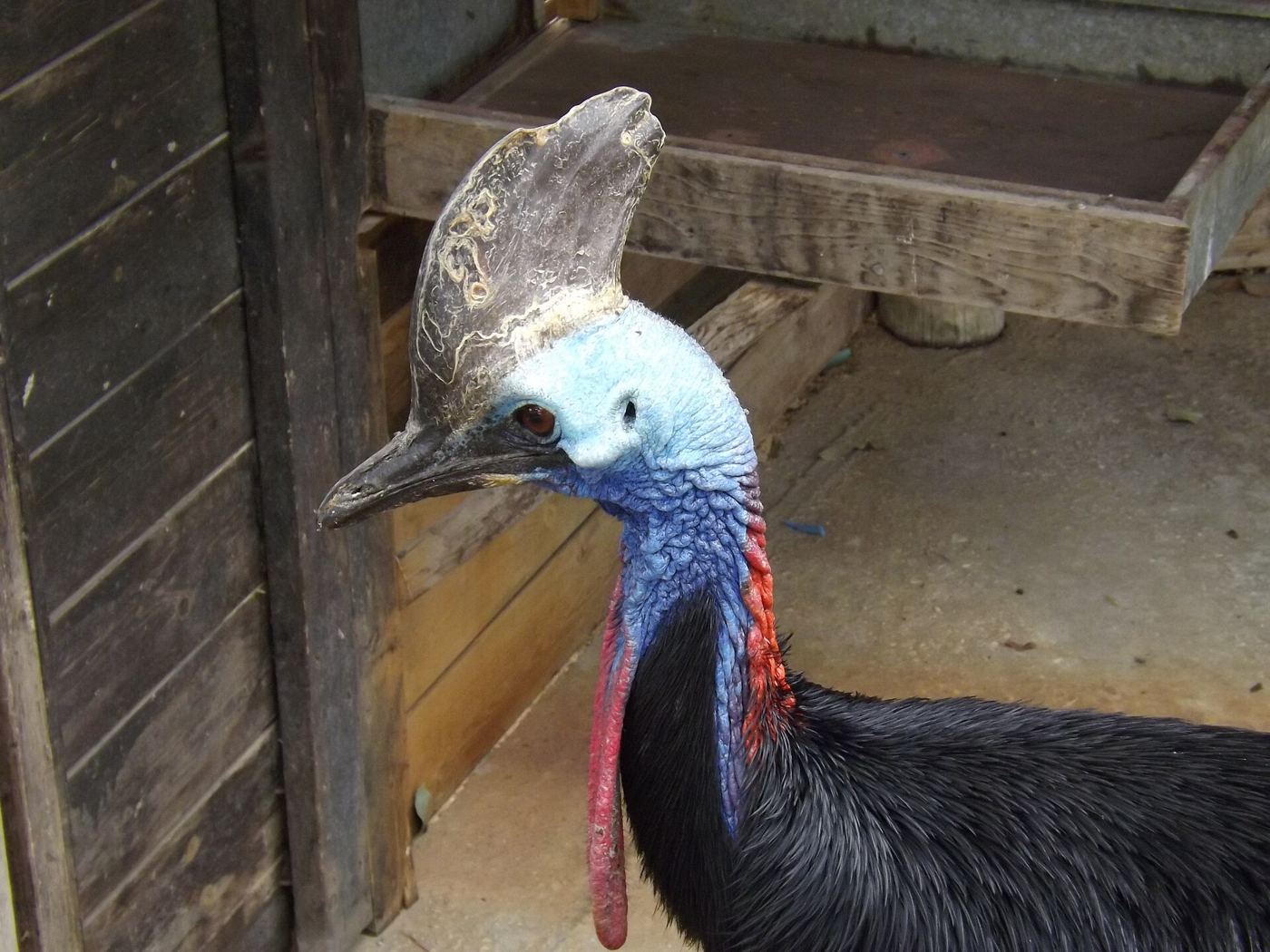
A leg bone found in a cave on Flores Island in Indonesia in 2009 has been identified as a new species of giant ground-dwelling bird, the largest of its kind ever found. Researchers reported on 8 November 2026 that the fossil belonged to a previously unknown megapode, a chicken-like bird that lives on the ground and builds mounds to incubate its eggs. The study was published in the journal Alcheringa, and it was led by Hanneke Meijer, a professor and curator at the University Museum of Bergen in Norway. The bird was named Megapodius rokusi after Rokus Due Awe, the person who first recognised the bones of the tiny human relative Homo floresiensis and later identified this fossil as a bird bone. The new bird weighed about 3.9 kilograms, making it the largest Megapodius ever found.
What the Evidence Shows
The fossil came from one of the deepest layers of Liang Bua cave, the same cave that held the remains of Homo floresiensis, the small ancient human discovered in 2003. It is the first megapode fossil ever found in Wallacea, the island region between Asia and Australia, and it shows that large ground birds once lived alongside the island’s famous dwarf elephants and giant rats. Megapodes are unusual because they do not sit on their eggs, instead burying them in warm mounds of earth and leaves where the heat of decay does the incubating. The researchers say the discovery adds a new chapter to the story of Flores, an island where isolation produced remarkable animals found nowhere else on Earth. The fossil is a single leg bone, yet its size and shape were enough to show it belonged to a species new to science. Reporting and analysis from sources such as Nature track the same developments, and specialists following the giant ground bird Megapodius rokusi say the direction is now consistent across independent lines of evidence.
The Wider Context
The wider context is a research landscape in which replication and open data now decide reputations. Findings connected to the giant ground bird Megapodius rokusi are being checked by independent groups with shared datasets, and the teams involved publish their methods in full so rivals can test every step. That discipline is slower than a headline cycle, but it is why results in this area increasingly survive first contact with scrutiny.
What Happens Next
What happens next in the story of the giant ground bird Megapodius rokusi will be decided by follow-up work already under way: larger samples, longer observation and instruments that have not yet come online. The researchers involved are unusually united on one point, that the current results justify the next investment of time and money. Readers will not have to wait long for the first tests of that claim. You can follow related developments in our coverage of science.
None of this will be settled by a single announcement, study or product launch. The pattern to watch is accumulation: independent confirmations, honest reporting of failures and steady improvement in the underlying numbers. Readers who follow those signals, rather than the loudest claim of the week, will understand this subject better than most of the commentary surrounding it suggests is possible.
